Natural stone has become one of the defining materials of Scandi-Japandi interiors in the UK. But "natural stone" covers four very different rocks — travertine, limestone, marble and alabaster — each with their own properties, look and price. Knowing the difference saves you from buying the wrong material for your room.
Quick summary
- Travertine — soft, banded, warm-toned, porous. The Scandi-Japandi favourite.
- Limestone — denser, often beige or grey, less banded. Subtle.
- Marble — formal, veined, smooth. More glamorous than Japandi-quiet.
- Alabaster — translucent, glowing when lit. The most luxurious.
All four are calcium-carbonate-based and behave similarly in care. The differences are in appearance, density and price.
Travertine — the modern Scandi favourite
Travertine is a sedimentary limestone that forms in mineral springs over thousands of years. Layer upon layer of calcium-rich water deposits creates the characteristic horizontal banding running through every cut.
It's been used in architecture since ancient Rome — the Colosseum is built from it — but it's only entered modern homewares in the last decade, driven by Italian and Scandinavian design houses.
What it looks like
Soft beige to warm brown, with visible horizontal banding. The surface is porous in its natural state, but can be filled and honed for a smoother finish. Each piece is unique because the natural banding is unrepeatable.
Where it works
Vases, lamps, candle holders, trays, side tables, bathroom basins. Best in Japandi, wabi-sabi and modern Mediterranean interiors. Pairs beautifully with oak, cream linen and warm-toned plaster walls.
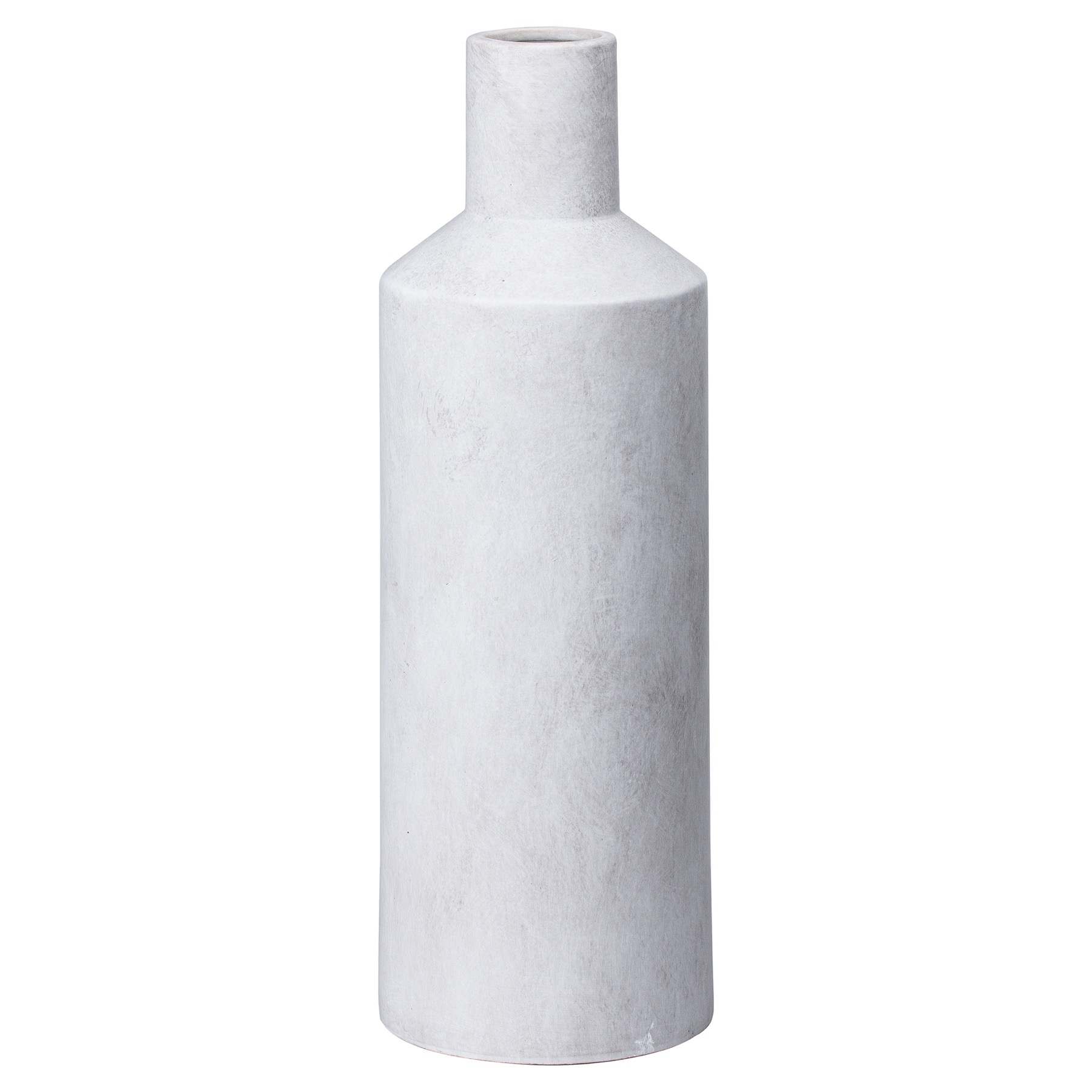 Darcy Sutra Large Vase
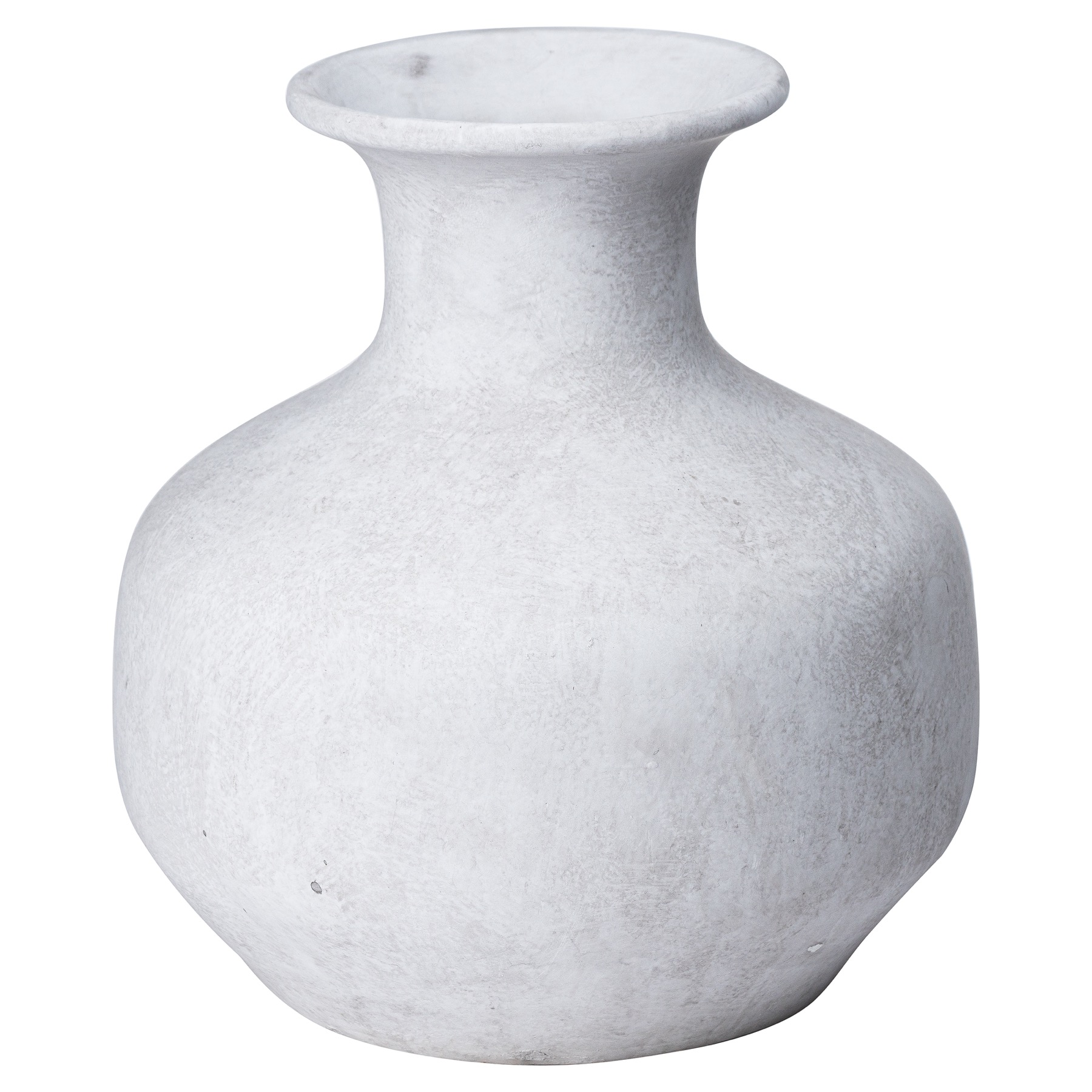 Darcy Squat Stone Vase
Care
Porous, so avoid putting water-filled vases directly on travertine — water can leave staining over time. Don't use acidic cleaners (lemon, vinegar) — they etch the surface. Wipe with a soft dry cloth. Small marks are part of the patina.
Limestone — the older cousin
Limestone is the parent rock from which travertine and marble form (with different geological pressures). Pure limestone is less dramatic than travertine — less banded, smoother, often more uniform in tone.
What it looks like
Soft beige, grey-cream, or warm honey. Surface is dense and even. Often honed (matte) for homewares rather than polished.
Where it works
Tabletops, vases, larger sculptural pieces. Less common in homewares than travertine — but a strong choice when you want stone weight without travertine's bold banding.
Care
Same as travertine — porous, no acidic cleaners, dust with a soft cloth.
Marble — the formal one
Marble is metamorphic limestone — heat and pressure recrystallise the rock into a denser, more luminous material with veined rather than banded patterns. Carrara, Calacatta and Statuario are the famous Italian varieties.
What it looks like
White, grey, or with strong veining — sometimes gold, sometimes black, sometimes deep grey. The surface can be polished to mirror finish or honed to matte.
Where it works
Bathroom basins, kitchen counters, dining tables, formal coffee tables, statement vases. Reads more luxurious than travertine — leans towards formal and classic styles rather than Scandi-Japandi.
 Set of Four Round Marble Coasters
£14.99
Set of Four Round Marble Coasters
£14.99
Care
Identical to travertine and limestone — porous, no acidic cleaners. Marble is slightly less porous than travertine but still needs sealing for kitchen worktops.
Alabaster — the translucent one
Alabaster is a softer stone (gypsum or calcite based) prized since antiquity for its translucency. When backlit, alabaster glows — which is why it has been used for centuries in lampshades, lighting and statuary.
What it looks like
Soft white to honey-coloured, with subtle natural veining. Opaque in normal light but luminous when lit from within or behind.
Where it works
Almost exclusively lighting and decorative pieces. Alabaster lamp bases and pendants are increasingly common in premium Scandi-Japandi shops. Less practical for vases (porous, slightly softer than other stones).
Care
The softest of the four — easier to scratch, more porous than travertine. Avoid water contact entirely. Dust gently with a soft dry cloth.
How to choose between them
For a vase
Travertine first choice — the natural banding gives it character and matches modern Scandi-Japandi aesthetics. Marble second if you want a more formal moment.
For a table lamp
Travertine for warmth and presence; alabaster for the magical when-lit glow.
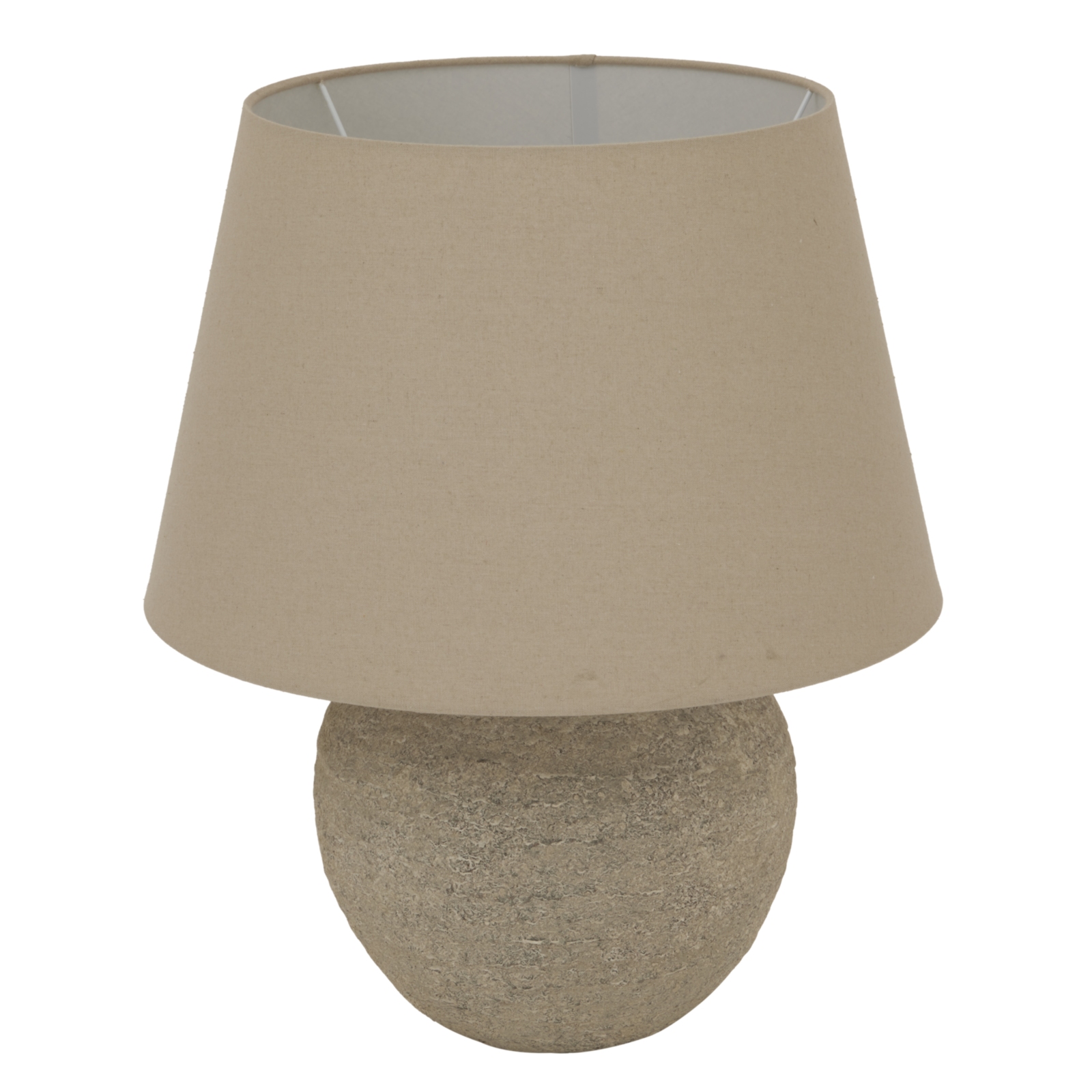 Tuscan Grey Ceramic Lamp
£153.99
Tuscan Grey Ceramic Lamp
£153.99
For coasters and small items
Marble — sized smaller, the formal veining works well.
For doorstops and sculptural objects
Marble (denser, hardier) or travertine (more character).
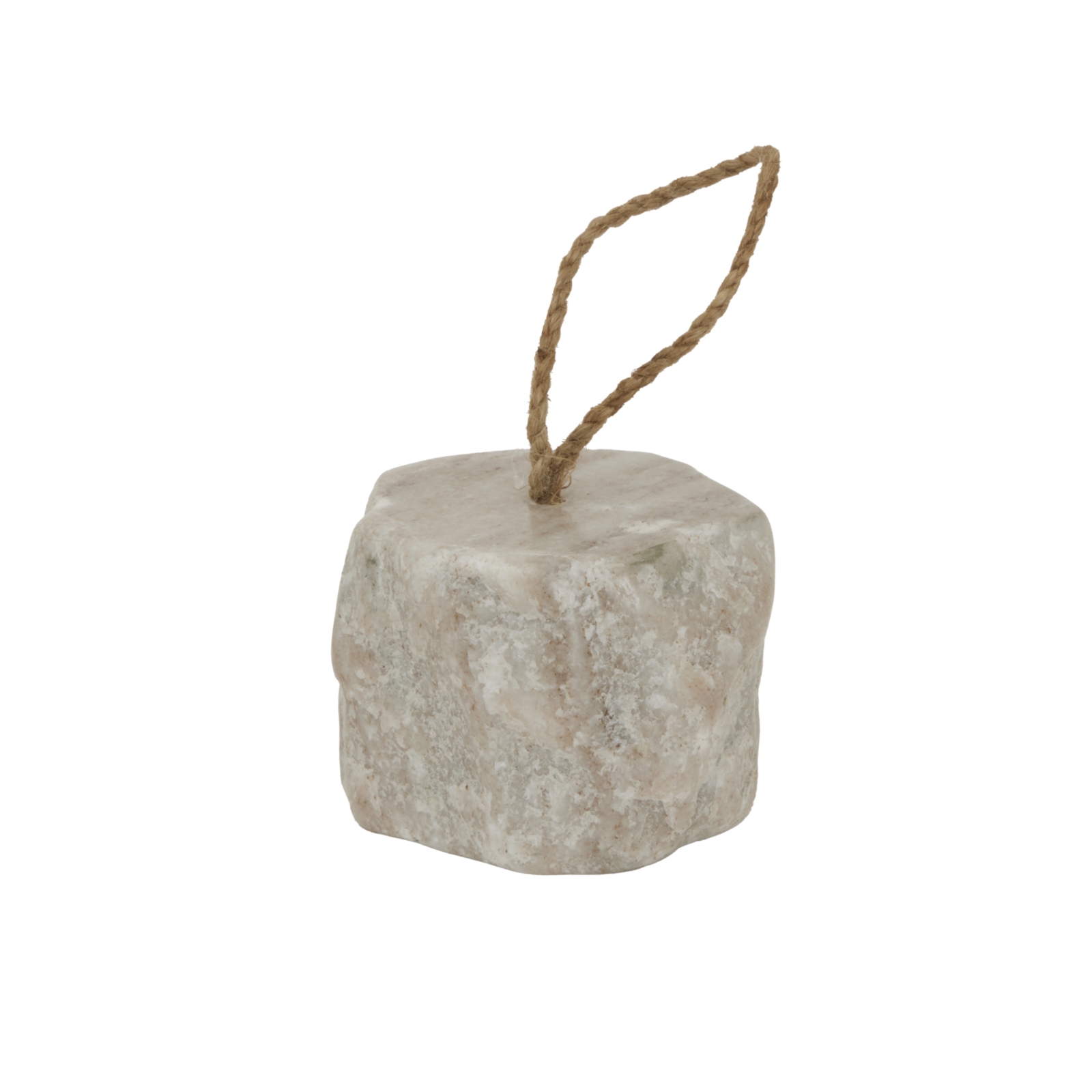 Marble Doorstop
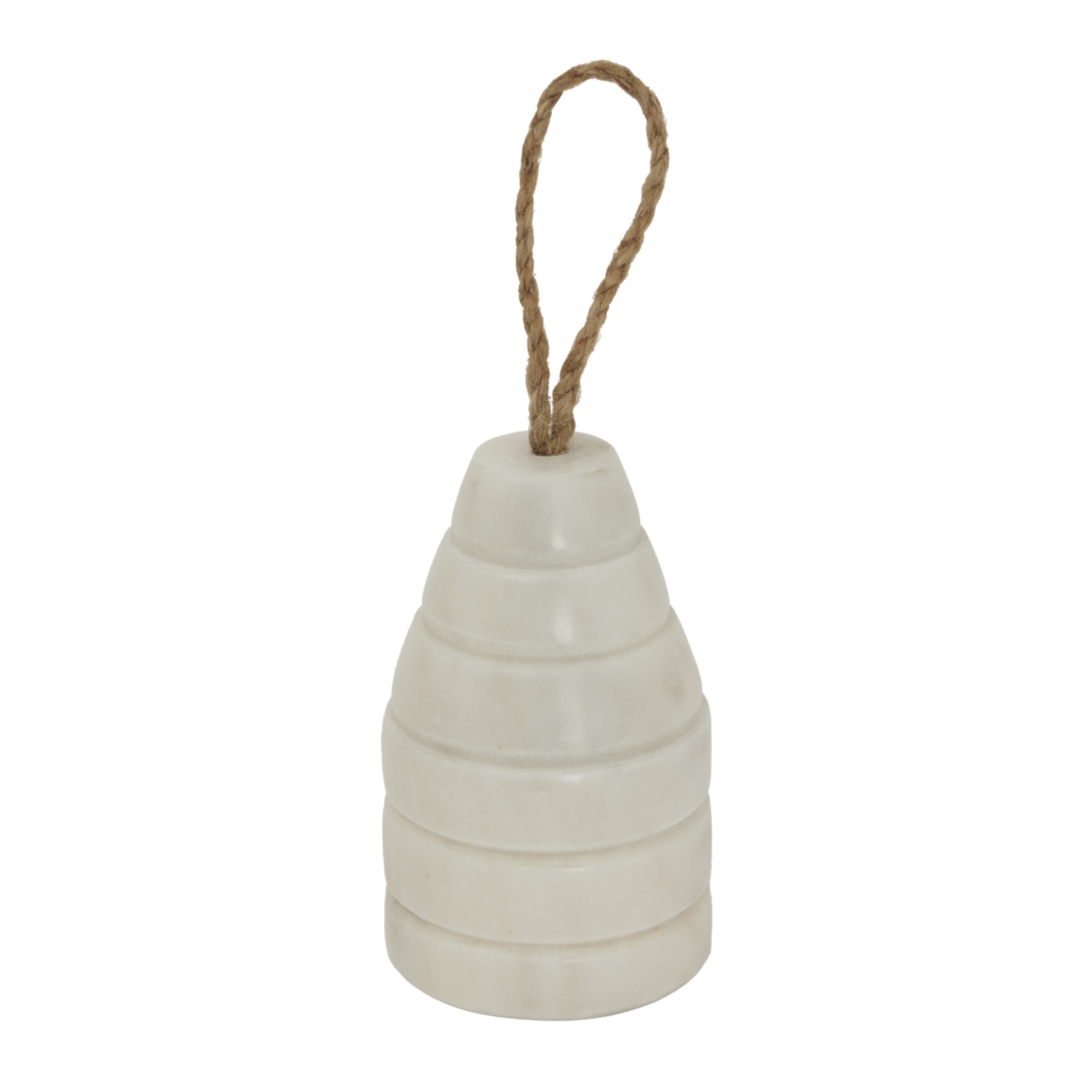 Marble Ribbed Doorstop
Stone vs. stone-effect ceramics
Many "stone" products in the UK are actually ceramic with a stone-effect glaze. These are not less valuable — they're just a different material with their own properties.
| Real stone | Stone-effect ceramic | |
|---|---|---|
| Weight | Heavy | Medium |
| Holds water | Needs liner | Yes |
| Unique per piece | Yes | Similar |
| Cost | £50–300+ | £30–120 |
| Hardiness | Brittle edges | More robust |
For a vase that will hold fresh flowers and live in a busy family kitchen, stone-effect ceramic is often more practical. For a single statement piece on a hearth, real stone wins.
Common questions
How do I tell real travertine from imitation?
Real travertine is heavy and cool to the touch. The banding runs through the rock, not just on the surface — look at the foot or unfinished edges where you can see the layers continue. Imitation versions have a printed-on look on the surface.
Can travertine vases hold water?
Only with an internal glass or metal liner. Without one, water will eventually stain the porous stone.
Will travertine darken over time?
Slightly. Like all natural stone, it develops a soft patina from handling and exposure. Most people prefer the aged look.
Is marble more luxurious than travertine?
Traditionally yes, but in modern Scandi-Japandi homes the answer is reversed — travertine reads as more considered and on-trend, marble as more traditional/formal.
Can I use stone outdoors?
Travertine and limestone are commonly used outdoors (patios, pool surrounds) when sealed. For loose homewares, keep them indoors — frost cycles can damage unsealed stone.
What's the price difference?
Travertine and limestone are similarly priced; marble is typically 1.5–2× more; alabaster is the most expensive (and least common in homewares).
Real stone has presence that ceramic alternatives struggle to match. Browse our stone vases for considered options across the price range.
Free UK delivery on orders over £75. Browse the latest arrivals or shop by category from the main menu.