The single most transformative change you can make to any room in your home isn't paint, furniture, or rugs. It's the lighting. And specifically: replacing one harsh overhead light with three or four softer ones at different heights.
This is called layered lighting and it's the principle that separates a Scandinavian home from a generic flat. It costs less than you'd think, takes one weekend at most, and changes how every room feels in the evening.
Why one overhead light fails
A single ceiling pendant or downlight is the default lighting setup in most UK homes. It's also the worst. Here's why:
- It flattens shadows. Light from directly above eliminates the soft side-shadows that give a room depth and dimension
- It glares from a single angle. Your eyes adapt to the brightest point in the room — the bulb above — which makes everything else feel darker
- It's the same all day. A single ceiling light has only two states: on or off. Real Scandi lighting modulates by time of day
- It signals "function" not "rest." Overhead light is the lighting of offices and classrooms — not bedrooms or living rooms
Replacing it isn't necessary — most renters can't anyway. Layering around it is what matters.
The three layers
Every well-lit room has three layers of light, ideally all dimmable:
Layer 1 — Ambient (general light)
The overall illumination that lets you see the room. Usually the ceiling pendant or downlights. Use a warm 2700K bulb. Dim it.
Layer 2 — Task (functional light)
Light for specific activities — reading, cooking, applying makeup, working. Table lamps, floor lamps, under-cabinet kitchen lights, vanity lights. Table lamps are the most flexible task lighting.
Layer 3 — Accent (mood light)
Small focused lights that add atmosphere — wall lights flanking a console, picture lights above art, candles on a dining table. Wall lights and candle holders live here.
A fully layered room has all three. A "lit" room has only one (usually ambient). The difference between the two is the difference between a hotel room and a home.
Living room — the masterclass
The living room is where layered lighting matters most. The full setup:
- Overhead pendant or downlights on a dimmer. Used for general light, family time, daytime. Dimmed for evenings.
- One floor lamp beside the sofa or behind a reading chair. Provides task light for reading. Browse floor lamps.
- One or two table lamps on side tables or a sideboard. Provides ambient warmth at lower height.
- One pair of wall lights flanking a fireplace or above a sideboard. Adds accent and depth.
- Candles on the coffee table or mantelpiece. Used in evenings as the final layer.
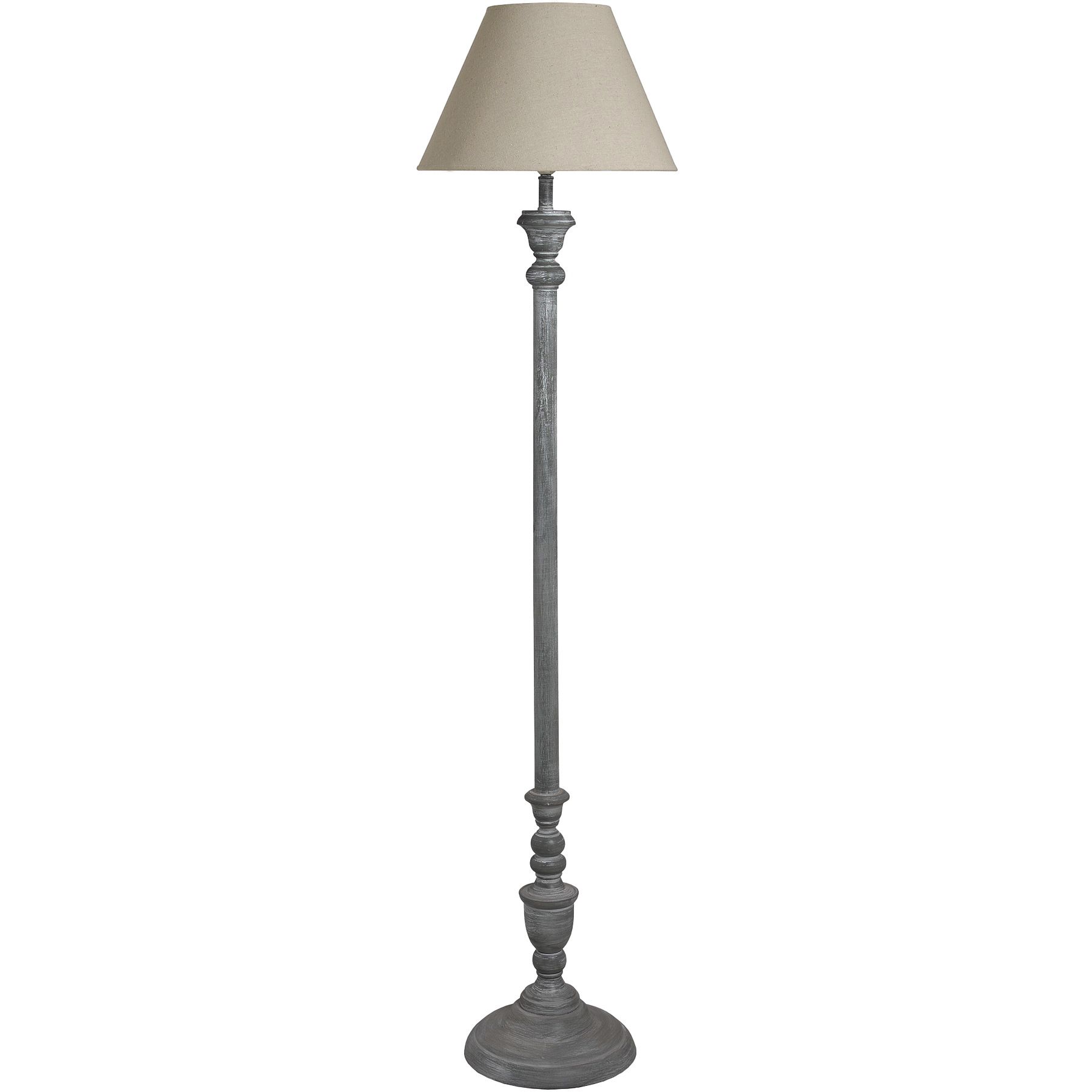 Ithaca Wooden Floor Lamp
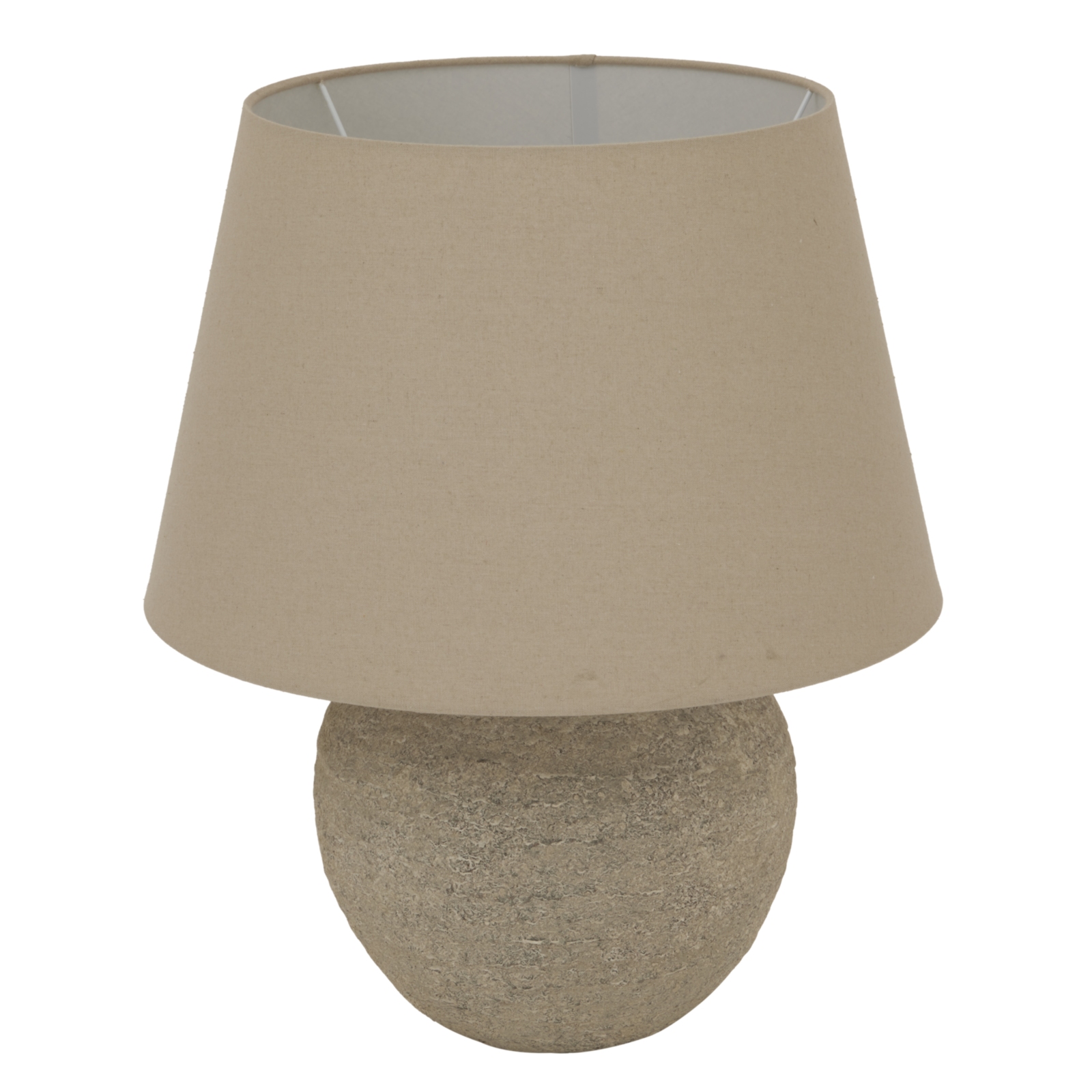 Tuscan Grey Ceramic Lamp
 Sabina Brass Globe Wall Light
That's five distinct light sources in one room. Sounds like a lot — it isn't. By 8pm in winter all five might be on at low brightness; by morning only the overhead might be on at full. The variety is what gives the room its character.
Bedroom — softer, calmer
Bedroom lighting needs less variety but more warmth. The bedroom is for winding down, not energising.
- Overhead pendant or ceiling rose with a warm bulb. Dimmed.
- Two matching bedside lamps — one each side of the bed. Symmetry is forgiving and reads as considered.
- Wall lights flanking the bed as an alternative or addition. Frees up the bedside surface.
The classic pairing: matching table lamps on each bedside. Choose the same lamp for both sides — this is one room where two of the same beats two-of-similar.
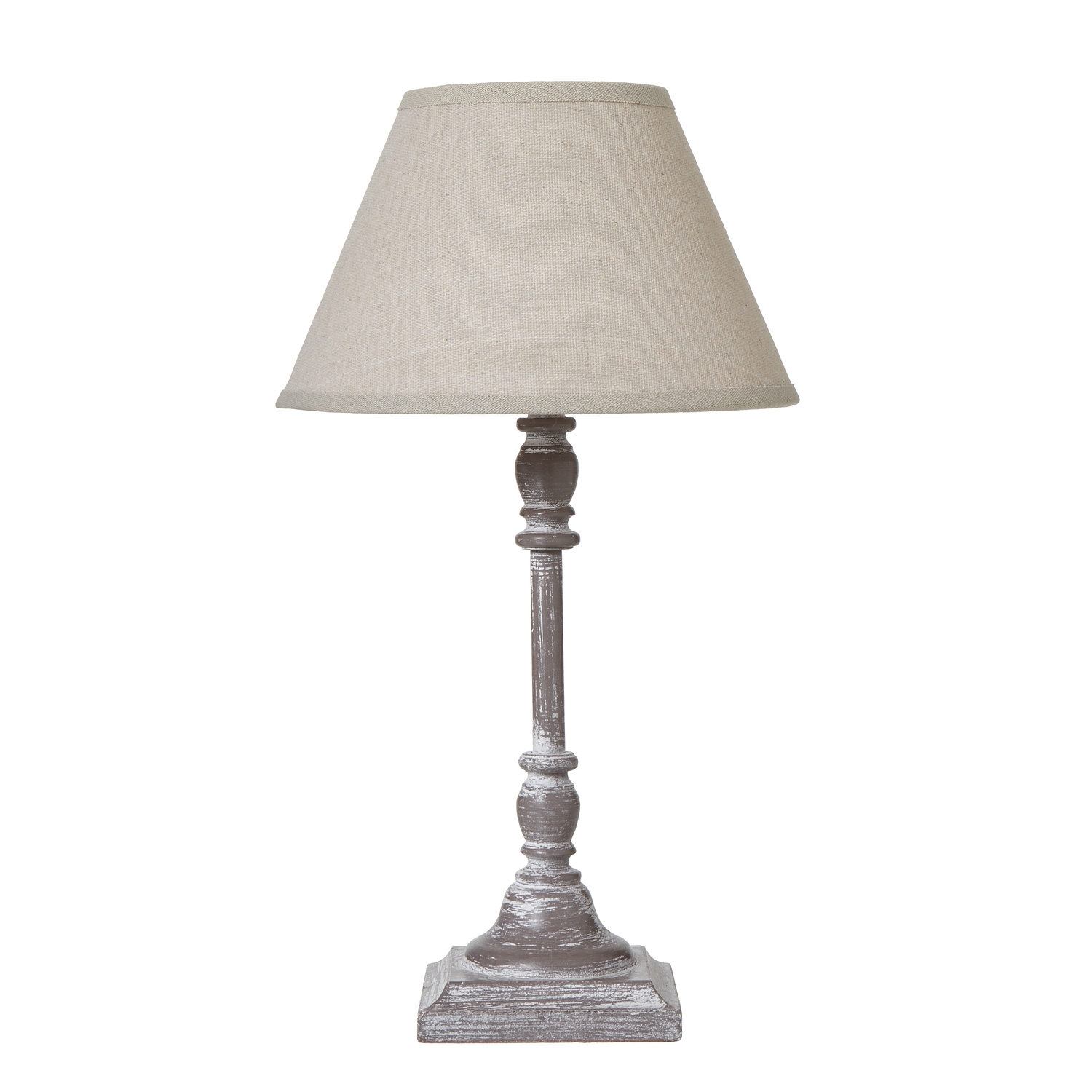 Antia Stem Table Lamp
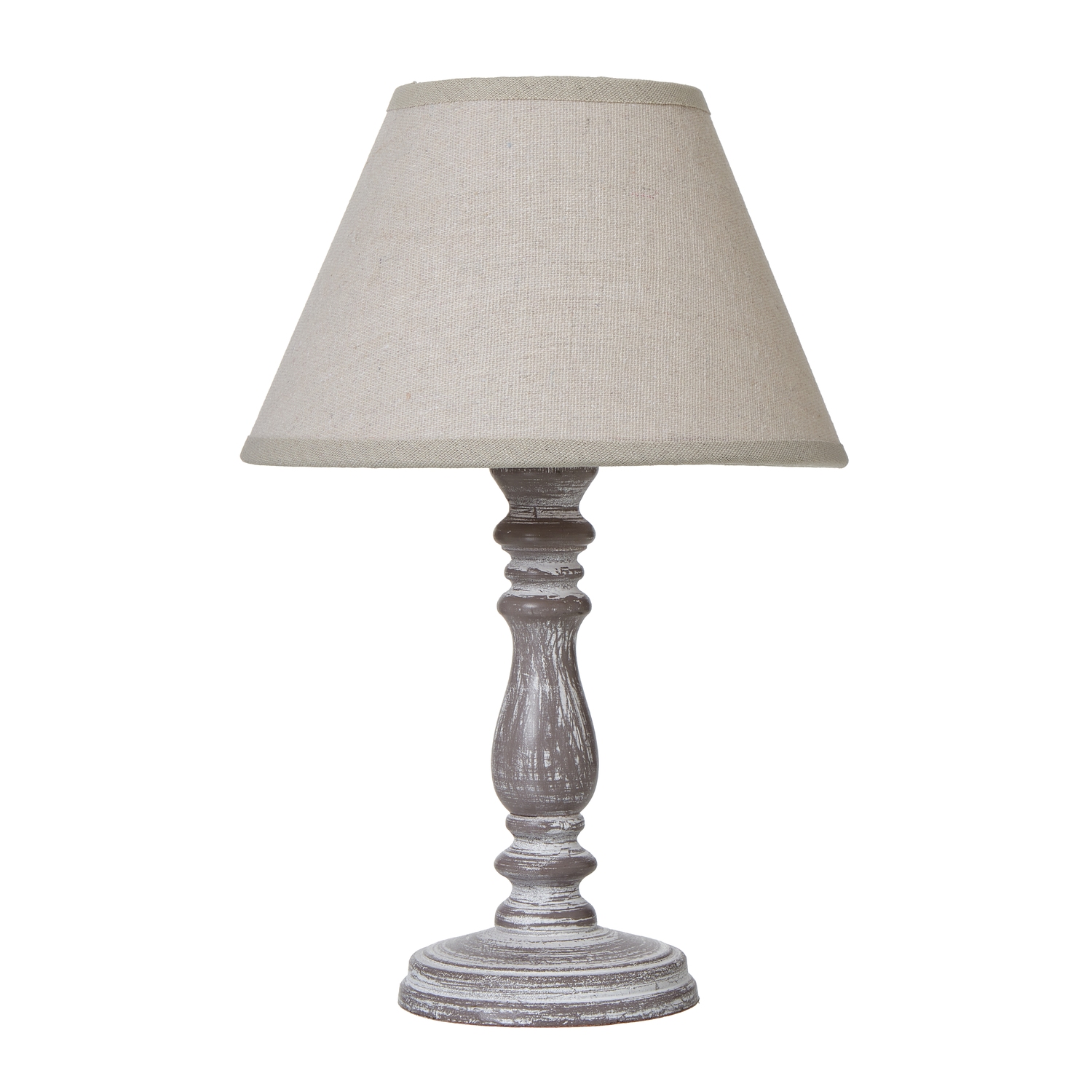 Setia Column Table Lamp
Dining room — drama and focus
Dining lighting is the most "feature" of any room — the pendant above the table is the centrepiece. Get it right and the rest of the room can be quietly lit around it.
- One pendant or cluster centred above the dining table. Bottom of the pendant 75–90cm above the table top.
- Wall lights or sconces on the surrounding walls to lift the ambient level.
- Candles on the table — multiple, varying heights, lit at every dinner. Cheap, transformative.
 Padova Triple Brass Pendant Light
£37.80
Padova Triple Brass Pendant Light
£37.80
The candles do disproportionate work here. Five lit dinner candles on a dining table at 7pm changes the room more than any pendant change would.
Kitchen — task above all
Kitchens need bright, accurate light for cooking — but harsh-only light at all times makes the kitchen feel less inviting in the evening.
- Bright overhead pendants or downlights over worktops and prep areas. Cool-ish bulbs (3000–3500K) OK here for task accuracy.
- Under-cabinet LED strips for direct task light on the counter.
- Pendant cluster over a kitchen island in warm 2700K bulbs. Dimmed in evenings.
- A single table lamp on a kitchen shelf or sideboard for evening atmosphere when not actively cooking. This is the most underrated kitchen lighting move.
Hallway — first impression
The hallway is the first room guests see, and most are lit by one ceiling light. Layered hallways feel dramatically more welcoming.
- Overhead pendant or chandelier. Dim if possible.
- One table lamp on a hallway console. Lit in evenings as a welcome.
- Wall lights along the corridor — particularly good for long hallways. Mount at gallery height and space every 1.5–2m.
 Medium Ellipse Lantern
£46.99
Medium Ellipse Lantern
£46.99
Bathroom — warmer than standard
Bathrooms are the room most likely to have cold-white "bathroom bulbs" — and the room most improved by replacing them with warm bulbs.
- Overhead light on a warm dimmable bulb (where wiring zones allow).
- Wall lights or sconces beside the mirror — better for makeup and shaving than overhead-only.
- A candle on a shelf for evening baths. Cheap luxury.
Bulb temperature — non-negotiable
Layered lighting only works if every bulb is at the right colour temperature. The Scandi standard:
- 2700K for everything in living, sleeping and dining areas. Warm white, candlelight-adjacent
- 3000–3500K only acceptable for kitchen task areas. Slightly cooler for accuracy
- 4000K+ never in a home. This is office and hospital lighting
Mixing temperatures across a room is the most common mistake. One warm lamp and one cool overhead reads as "broken" even if you can't articulate why.
Dimmers — the unsung hero
Every overhead light in a home should be on a dimmer switch. Every. Single. One. The cost is £15–25 per dimmer, fitted in under an hour by an electrician.
Dimmers let one fitting do four jobs: bright for cleaning, medium for cooking, low for evening, very low for late-night transit. Without a dimmer, you have one setting forever.
Smart lighting — useful or overkill?
Smart bulbs (Philips Hue, IKEA Trådfri) let you control colour temperature and brightness via app or schedule. Useful in two specific cases:
- If you have lots of overhead fittings without dimmer switches and can't easily install them
- If you want lighting to automatically dim and warm as evening approaches
Otherwise: a dimmer + a warm 2700K LED achieves 95% of the same effect for less money and less app-fiddling.
The order to layer
If you're starting from scratch in a room with only overhead lights:
- Add a dimmer to the overhead first. Instant 50% improvement.
- Add one table lamp. The single biggest layering move.
- Add a floor lamp or second table lamp. Now you have multiple light heights.
- Add wall lights as a pair where appropriate. Highest-impact accent layer.
- Burn candles in the evening. Free transformation once the rest is in.
Common questions
How many lamps does a living room need?
At least three light sources beyond the overhead. A floor lamp, two table lamps, and a candle is a minimum.
Can I layer lighting in a rented flat?
Easily. Plug-in table lamps, floor lamps, plug-in wall lights (no wiring needed), and candles all work without touching the wiring. You don't need to replace the overhead pendant.
What's the right bulb temperature for a bedroom?
2700K. Anything cooler will feel wrong even if you can't put your finger on why.
Are smart bulbs worth it?
Only if you have lots of overhead fittings without dimmers, or if you want lighting to schedule automatically. Otherwise a dimmer plus a warm LED is simpler.
How do I know if my lighting is right?
Walk into the room at 8pm in winter. If you immediately want to switch on more lights, your layered setup is missing pieces. If the room feels warm and inviting at low brightness, you've got it right.
Lighting is the cheapest, fastest interior change with the most dramatic effect. Browse our lighting collection for considered options across all three layers.
Free UK delivery on orders over £75. Browse the latest arrivals or shop by category from the main menu.